

It was darkish as a tomb as I slipped by way of the sagebrush and down a steep slope, my flashlight slicing by way of the black. The moon and stars have been smothered by low, scudding clouds. Snow was within the air. I’d arrived on the tent camp in Utah after dusk the night earlier than and had no thought what the nation seemed like within the daylight. It was 1961, and it was my first mule deer hunt.
As daylight broke, I used to be astounded to seek out myself in a sea of sagebrush. There wasn’t a tree in sight. I used to be born and raised within the East, and the whitetails I’d hunted there have been at all times within the woods. Doubt crept in. My father-in-law, who was an area, had advised me to slowly work my manner down the slope after daylight and to arrange the place I might hit a deer strolling by way of the underside of the canyon. Was he critical?
After two hours of listening to distant coyotes and pinyon jays—and seeing nothing—I used to be sure no deer would ever present. About then, I seemed far up the canyon and noticed motion alongside the path. A buck was slowly strolling alongside, feeding as he went. I had no thought if he was a consultant buck or a extremely large buck—however I didn’t care. To my untrained eyes, he seemed loads good. As he moved into vary, a extreme case of buck fever hit. I rested my rifle—an previous .303 British Enfield I’d borrowed from my roommate in forestry school—on my wobbly knee and tried to calm my addled thoughts.
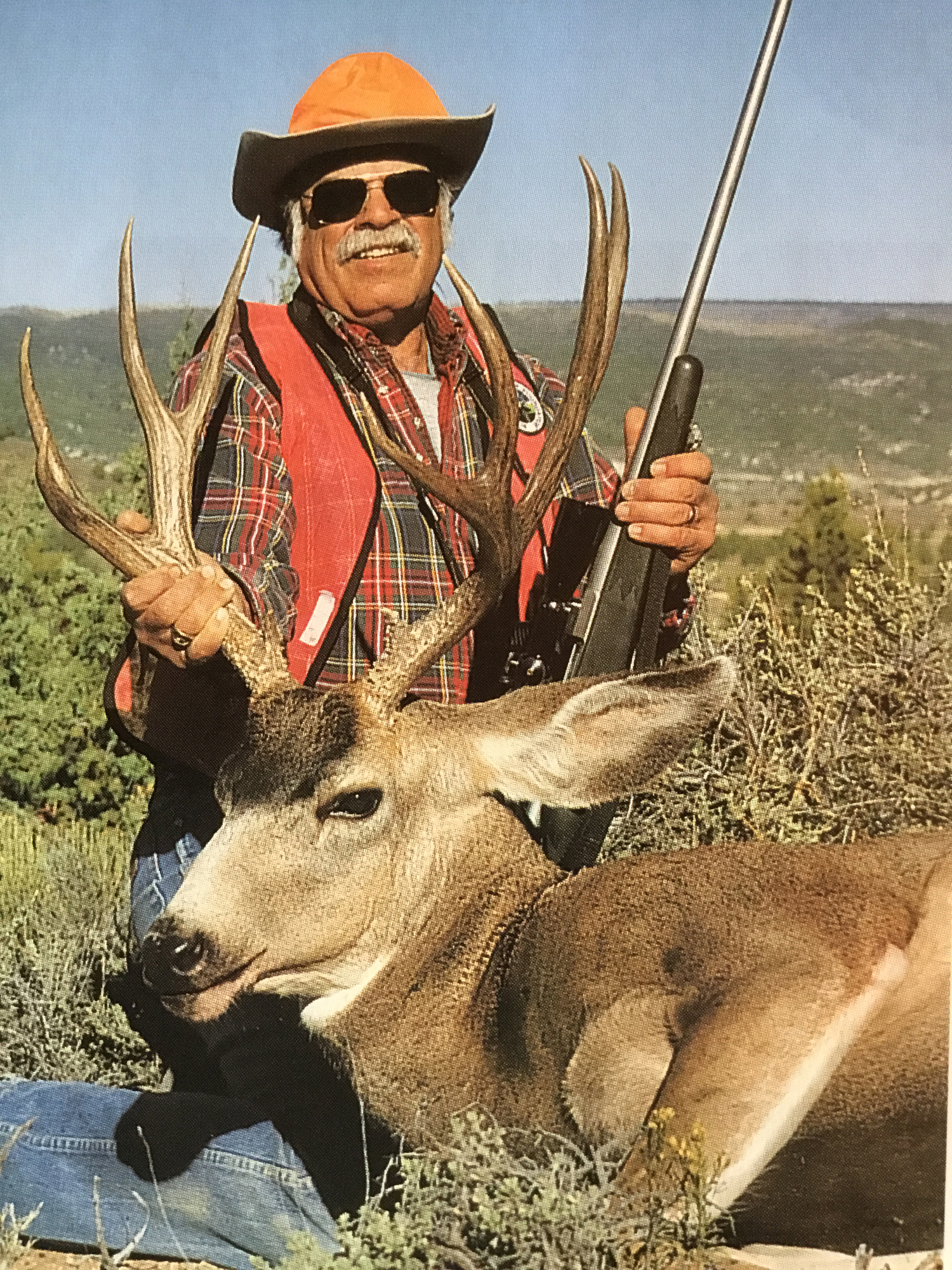
It took three pictures to drop that deer. His antlers have been heavy and deformed and he had an enormous physique, weighing 232 kilos dressed on my father-in-law’s farm scales.
Now I might name myself a mule deer hunter—type of. I nonetheless had rather a lot to study mule deer, which might decline so dramatically throughout my searching and writing profession that many predicted their extinction. Mule deer are iconic deer of the West, however they’re mysterious too. And 60 years later, I’m nonetheless studying about them.
Glory Days, Come and Gone
Throughout that early period, I labored for an clothing store and guided mule deer hunters in Utah’s Ebook Cliffs. One among our purchasers was the late G. Howard Gillelan, Out of doors Life’s bowhunting editor. Our technique was to identify and stalk bachelor buck teams scattered in aspen forests, which have been pretty open and didn’t supply a lot cowl. Deer have been in all places and couple of dollars roamed solo. Each time Howard tried to stalk a buck, he’d get busted by different bucks.
He was utilizing a semi-recurve bow, and sights hadn’t but made the searching scene. His max self-imposed vary was 30 yards. Howard lastly arrowed a doe on the final day of his hunt. His Out of doors Life article was ultimately titled “Too Many Bucks.”
The ’50s and ’60s have been generally known as the banner years for large mule deer. Sadly, these days have been destined to finish.
Mule deer populations have been excessive in different Western states as effectively. If you happen to needed to see a parade of good bucks passing by way of, you may merely hang around at a recreation verify station throughout the deer season. I started searching different close by states, particularly Colorado, Idaho, and Montana, and I noticed large bucks in all places. Most of my hunts have been on public land, however many ranchers allowed free entry (leasing hadn’t but grow to be fashionable). Massive bucks have been plentiful on each personal and public land. The ’50s and ’60s have been generally known as the banner years for large mule deer. Sadly, these days have been destined to finish.
On one opening morning within the ’70s, I drove to my favourite spot within the Ebook Cliffs, and as I drove nearer, I believed I noticed lights by way of the junipers. Puzzled, I investigated and was astounded once I drove right into a clearing and noticed a dozen pickups and a few heavy drilling rigs. My searching spot was a brief distance away and was now decidedly burned. I hunted some other place that 12 months, and yearly after.
The vitality increase had arrived. New roads have been blazed alongside ridges and within the bottoms of canyons. Entry was opened, and the heavy scrub oak, serviceberry, mountain mahogany, and different buckbrush that had as soon as provided deer a chance to develop previous, and large, have been now extra simply hunted. Mule deer succumbed to this lack of habitat, not solely within the Ebook Cliffs however in different areas as effectively. When a critter species takes a nosedive, habitat degradation is often thought-about a main issue. Such was the case when mule deer started to say no, however there have been different, much less apparent, elements as effectively.
Masking the Decline
Within the early ’70s, I went to a college symposium referred to as “The Mule Deer Decline.” It was effectively attended, and audio system included biologists, professors, recreation wardens, and wildlife college students. Each potential facet of mule deer mortality was lined: habitat loss, illness, parasites, winter hunger, drought, and predators. When the symposium was over, I left the constructing with a few older recreation wardens. One stated wryly, “They talked about every thing besides the .30/06.”
His level was that in lots of states, doe harvests have been up significantly. I recall years when in some items a hunter might take six does and a buck. There was little effort to limit hunter numbers or distribute searching strain. The limited-entry system, by which hunters needed to apply for a tag by way of a draw, developed later. Wildlife managers established quotas in lots of items, striving for high quality searching in sure items with decrease hunter numbers.
Out of doors journalists wrote alarming tales in regards to the alleged mule deer catastrophe, and lots of predicted the extinction of the species, citing quickly reducing populations in all of the Western states. It was a scorching topic, attracting curiosity from editors. Quickly a lot of the world believed the doomsaying.
It’s true that mule deer numbers are down from all-time highs, however in lots of locations, they’re rebounding or holding their very own. They’re wild animals, and lots of the large herds are migratory. There’s nothing static about their numbers. In nature, every thing is dynamic, particularly when wildlife species are confronted with unprecedented challenges. So why have mule deer populations plummeted? Are these pesky whitetails taking on? Is it habitat loss and the destruction of migration corridors? Reality be advised, there’s no single motive, no straightforward reply.
Tony Mong, senior wildlife biologist for the Wyoming Recreation and Fish Division, says that it’s demise by a thousand cuts.
“A number of dozen [new homes being built] in vital winter vary could not make a lot of a distinction,” Mong stated, “however whenever you get lots of or hundreds of houses, there’s a big effect on wildlife. Former feeding areas are gone, and there are issues with canines, fences, extra car collisions, and different elements.”
Mong additionally cites climate as an necessary issue. “[Fawn survival is] tied to moisture ranges,” he stated. “Droughts can have extreme impacts on herds. Likewise, extreme winters can profoundly have an effect on mule deer.”
Identical to the devoted hunters who chase them, muleys are robust and adaptable.
Within the ’70s, I used to be on project with Out of doors Life to report on the consequences of a particularly extreme winter throughout the West. I visited three states and noticed actually hundreds of useless deer in addition to lots of of useless antelope, most of them piled excessive subsequent to drifted-in fences they’d been unable to cross. Through the extreme winter of 2016–17, which has been referred to as the worst winter ever in lots of Western areas, mule deer additionally took a brutal hit. They’re simply now recovering amid a drought.
So what does the long run maintain? Actually, habitat loss is a main motive for the decline. The development of wind farms, photo voltaic farms, and different energy-related actions will proceed to eat away at necessary habitat. The COVID-19 pandemic has precipitated an enormous exodus from cities to rural areas. An increasing number of persons are looking for their slice of heaven within the West, and meaning extra growth in mule deer nation. In some areas, CWD is taking a toll. The place I dwell in northwest Wyoming, 40 % of deer carry the illness in some herds. Predators, parasites, and excessive climate will at all times put strain on mule deer.
However all isn’t misplaced. We’ll by no means once more witness the glory days of mule deer searching, like once I shot my first buck six many years in the past, however there are nonetheless excellent alternatives to take a trophy mule deer—or simply any mule deer. It’s more durable to attract a nonresident tag, however limited-entry items guarantee high quality searching, and the cash from these tags ought to work to safe extra mule deer habitat. A very good mule deer hunt continues to be well worth the wait.
Adapting and Surviving
I’m longing for the mule deer’s future as a result of I’ve seen them in each habitat within the West, a few of them exceedingly extreme. In 1981 I wrote a 350-page guide titled Searching America’s Mule Deer (it’s out of print now) that recognized eight totally different habitats occupied by muleys. The guide was the results of my private observations after I made it a degree to hunt in each kind of habitat, plus my observations as a big-game biologist.
The habitats ranged from scorching lowland deserts to the very best alpine reaches above the timberline. As soon as whereas searching ptarmigan in Colorado above 13,000 toes I used to be astounded to see mule deer. I’ve seen them survive temps as little as 50 beneath zero. I knew a wildlife biologist in southern Colorado who studied mule deer water necessities and concluded that in the summertime, mule deer didn’t drink free water however glad their wants with the forage they consumed.
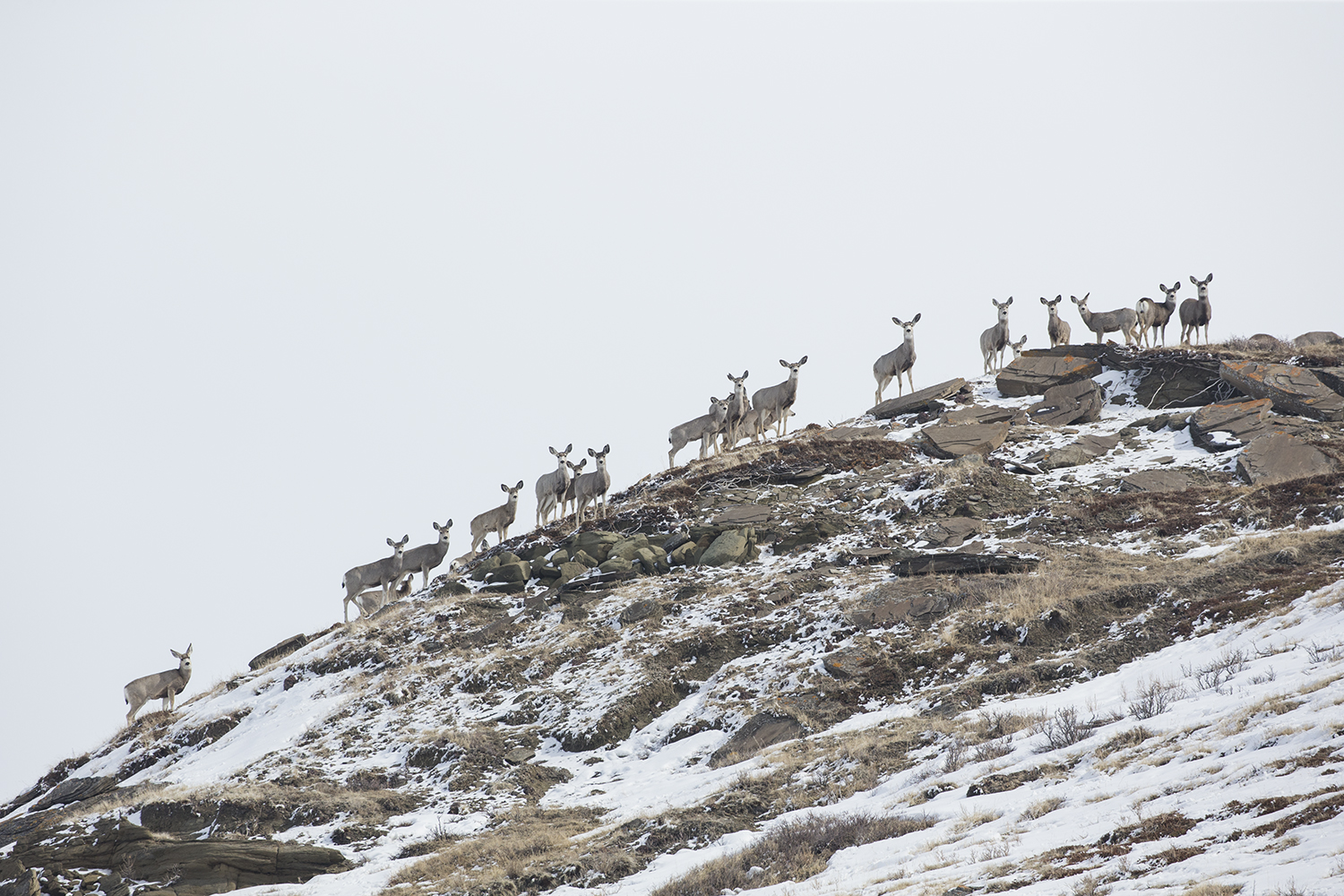
My native mule herd is 1,500 robust and nearly disappears within the spring. These animals migrate to the excessive nation and, based on Mong, trek greater than 100 miles to the place they continue to be till fall. Numerous herds throughout the West comply with comparable patterns.
Muleys are additionally exhibiting up in new areas, resembling in Alaska, the place some have ventured in from the Yukon. In some Midwestern states, mule deer are showing farther east than ever earlier than. And in West Texas, veteran hunters inform me there are extra muleys now than there have been 50 years in the past.
Identical to the devoted hunters who chase them, muleys are robust and adaptable. My perception is that so long as corners of the West stay wild, large previous bucks will roam the very best mountains and deepest deserts. And mule deer hunters, younger and previous, could have an opportunity to chase them.
This story, “Memoirs of a Mule Deer Hunter,” first appeared within the Deer challenge, Vol. 3 2021, of Out of doors Life.
Trending Merchandise

GOANDO Fishing Lures Kit for Freshwater Bait Tackle Kit for Bass Trout Salmon Fishing Accessories Tackle Box Including Spoon Lures Soft Plastic Worms Gifts for Men


Anourney 8×21 Mini Compact Pocket Binoculars, Lightweight Foldable Easy Focus Small Binoculars for Adults Kids Bird Watching,Opera Concert, Travel, Hiking, Outdoor Scenery, Football Game


MoKo Camping String Lights, 2 in 1 Outdoor String Lights with 8 Lighting Modes, Portable Camping Lantern Rechargeable, Lasts Up to 14 hrs, Waterproof Tent Lights for Camping Holiday Christmas

Neboic 2Pack Hydration Backpack Pack with 2L Hydration Bladder – Lightweight Water Backpack Keeps Water Cool up to 4 Hours with Big Storage for Kids Women Men Hiking Cycling Camping Music Festival
![Don’t Die In The Woods – Worldâs Toughest Emergency Blankets [4-Pack] Extra Thick Thermal Mylar Space Blanket – One of The Ten Essentials Outdoor Survival Gear for Hiking Camping First Aid Kit (Camo)](https://m.media-amazon.com/images/I/51puSDSv-qL._SS300_.jpg)
